Area Real Estate News & Market Trends

You’ll find our blog to be a wealth of information, covering everything from local market statistics and home values to community happenings. That’s because we care about the community and want to help you find your place in it. Please reach out if you have any questions at all. We’d love to talk with you!

June 28, 2026

What are Common Home Inspection Issues for Waterfront Properties?

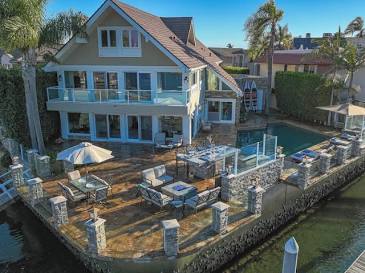
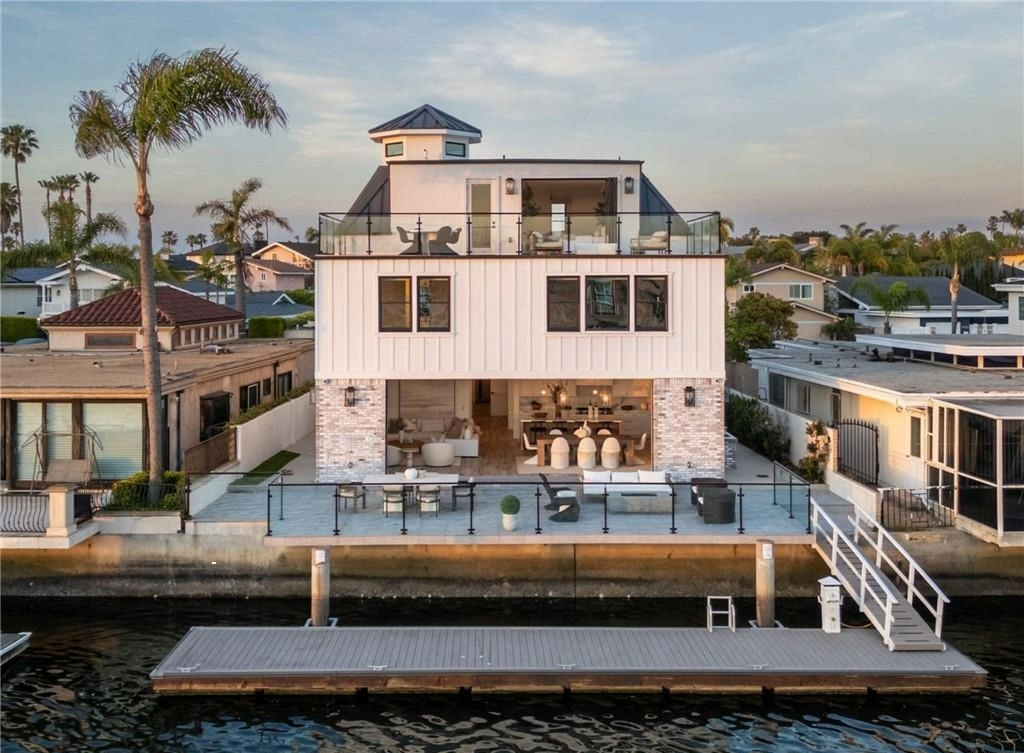
Waterfront luxury home

Waterfront homes face unique environmental and structural challenges that can significantly impact their value, safety, and enjoyment. Here are the most common inspection issues to watch for:

1. Water Damage and Moisture Intrusion
Proximity to water increases humidity and the risk of moisture seeping into walls, floors, and foundations. This can lead to mold growth, wood rot, and corrosion of metal components. Inspectors look for signs of dampness, peeling paint, and deteriorating wood .

2. Flooding and Erosion
Homes near rivers, lakes, or oceans are more prone to flooding, especially during heavy rains or storm surges. Erosion can undermine foundations, driveways, and walkways. Check FEMA flood maps and look for signs of bank erosion or unstable soil 

 3. Foundation and Structural Issues
Saturated soils can cause shifting or settling, leading to cracked walls, uneven floors, and doors that no longer close properly. Seawalls and retaining walls should be inspected for cracks, corrosion, or instability 

 4. Dock and Seawall Condition
Docks and seawalls are critical for access and safety. Look for rot, rust, loose boards, or unstable pilings. Floating docks may be more suitable for tidal areas, while fixed docks are common on lakes 

 5. Water Access and Navigability
Ensure the water depth supports your intended boat size and that there are no obstructions like debris or aquatic vegetation. In some areas, access may require a boat lift or be restricted by manatee protection zones 

.6. Wind and Storm Damage
Open water can amplify wind speeds, increasing wear on roofing, siding, and windows. Inspect for impact damage and consider impact-resistant materials 

.7. Pest Infestations
Waterfront areas attract mosquitoes, rodents, and wood-boring insects. Keep landscaping under control and use pest-resistant materials to reduce infestations 

.8. Plumbing and Water Quality
Exposed pipes near water are more prone to leaks and deterioration. Inspect for corrosion and ensure the well (if applicable) is in good condition. Check water quality for pollutants or harmful bacteria.

 9. Environmental and Regulatory Compliance
Waterfront properties may be in ecologically sensitive areas or regulated setback zones. Verify compliance with local regulations and environmental protections 

 10. Drainage and Flood Mitigation
A functional drainage system (e.g., French drains, grading) is essential to direct water away from the home. If in a floodplain, ensure the structure is elevated or has flood vents 

 Tip: For a thorough inspection, consider additional specialists such as wind mitigation, septic, mold, and pool/spa inspectors, especially in high-risk areas.


By addressing these common issues early, you can protect your investment, ensure safety, and maintain the long-term value of your waterfront property.

Posted in Buying
June 26, 2026

How do you protect the privacy and discretion of high-net-worth clients during a transaction?

Confidential

Privacy is a cornerstone of Scott Kien's luxury real estate practice. From initial neighborhood tours to final escrow signatures, all client identities, financial details, and strategic motivations remain strictly confidential. Scott frequently coordinates with wealth managers, real estate attorneys, and family offices to execute seamless transactions utilizing blind trusts, LLCs, or non-disclosure agreements (NDAs) to safeguard your anonymity.

Yard privacy

Posted in Buying
June 26, 2026

What unique factors should luxury buyers consider when purchasing a waterfront home in Huntington Harbour?


Huntington Harbor Marina

Purchasing premium waterfront real estate in Huntington Harbour requires specialized knowledge of coastal property dynamics. Luxury buyers must evaluate private boat slip dimensions, bulkhead maintenance responsibilities, main channel access, and strict California Coastal Commission guidelines. As a specialized luxury buyer's agent, Scott Kien meticulously evaluates these structural and legal variables alongside premier local inspectors to protect your coastal investment and lifestyle assets.


Davenport Island

Posted in Buying
June 20, 2026

What is a moving checklist?

MOVING CHECKLIST

RELOCATING? LIST OF IMPORTANT TO-DOS

BEFORE & AFTER YOU SETTLE INTO YOUR NEW HOME

1 MONTH PRIOR TO MOVE

Change your address with the post office.

Change your address with the IRS.

Hire a moving company or rent a moving vehicle.

Transfer or get copies of medical records (and school records if you have children).

Get referrals from your current doctor for new doctors in the neighborhood you’ll be moving to.

Update your insurance policies (home, auto, and so on).

Check with your insurance company to see if your belongings are covered during the move.

Cancel your plans with cable, telephone, newspaper, lawn, and home security companies.

Change your address with magazine and newspaper subscriptions and creditors.

2 WEEKS PRIOR TO MOVE

Cancel utility service for the day after your move date.

Purchase packing supplies (boxes, tape, markers, and so on).

Make travel arrangements on moving day and any special arrangements for small children and/or pets.

Start packing, boxing items systematically and labeling them accordingly. If you can, type out a list of what general items are in each box so you have a master list. Set aside items you will need immediately and make a note to load this box last.


1 WEEK PRIOR TO MOVE

Confirm reservation with moving company or rental truck company.

Gather and set aside important documents (don’t pack these – carry them with you during the move).

Transfer prescriptions to your local pharmacy.

Close/transfer bank accounts

(if switching banks) and order checks with your new address.

Send out change of address cards to friends, relatives, neighbors, organizations, and so on.

Return items that don’t belong to you (movies, books, and so on).

Clean! (appliances, carpet, walls, and so on)

DAY BEFORE MOVE

Take out cash to give as tips to the movers (if you hired).

Buy bottles of water for you and anyone helping you.

Pack the last of your items and leave out one small suitcase for your pajamas and toiletries


MOVING DAY

Write down utility meter readings to check against final bill.

Supervise movers (if you hired) and confirm final details (address, delivery time, and so on).

Arrive at your new house before the movers do.

Let a friend or family member know your travel plans.


AFTER YOU’VE MOVED

Change your address with DMV – update driver’s license and plates (if moving out of state). Allow about two weeks for arrival.

Change your address with your

employer.

Here is a printable single sheet to help you.


Posted in Buying, Selling
June 19, 2026

What are the most common home inspection problems?


What are the most common home inspection problems?

Home inspections typically reveal defects in nearly 86% of properties. 

The most common issues found fall into five major categories: roofing problems, faulty electrical wiring, plumbing leaks, faulty HVAC systems, and improper foundation or drainage

1. Roofing Issues

Inspectors frequently flag roofs nearing the end of their lifespan.


Missing or worn shingles: Shingles that are curling, brittle, or missing granules.

Damaged flashing: Leaks commonly occur around chimneys, skylights, and vents due to poor seals.Improper attic ventilation: Can trap moisture and heat, leading to wood rot and mold

2. Electrical Deficiencies

Electrical problems pose significant fire and shock hazards and are a top inspection flag.

Missing GFCI outlets: Ground-fault circuit interrupter outlets are required in wet areas like kitchens and bathrooms to prevent shocks.

Outdated wiring: Knob-and-tube or ungrounded wiring.

Overloaded panels: DIY electrical work, double-tapped breakers, or exposed junction boxes

A home inspector will likely determine whether aluminum wiring, which is most common in homes built between 1965 and 1973, is present. Homes today are wired using copper, and aluminum wiring has been found to deteriorate faster than copper. Aluminum is prone to overheating, which could create a fire hazard.  People who have lived in a home for 50 years, or those who didn’t get a home inspection in prior moves, may not even know they have it, It doesn’t mean a home will catch on fire, but it increases the odds.


3. Plumbing and Drainage

Plumbing issues cause water damage and mold growth, making them high-priority concerns.


Leaking or corroded pipes: Worn seals, dripping faucets, or outdated piping materials (like old galvanized steel).

Water heater issues: Systems that are old, improperly ventilated, or lacking a pressure relief valve.

Improper grading/drainage: Sloping toward the foundation rather than away from it, which can cause water to pool and lead to structural damage


4. Foundation and Structure

Structural issues affect the long-term integrity of the home and are among the most expensive to repair.


Foundation cracks: Horizontal or vertical cracks in slabs or foundation walls.

Settlement issues: Sloping or uneven floors, or windows and doors that stick.

Damaged load-bearing elements: Wood rot or termite/pest damage in support beams and joists.


5. HVAC System Failures

Inspectors check for age, functionality, and safety of the heating and cooling systems.


Dirty filters & poor airflow: Clogged systems that restrict performance and drive up energy costs.

Leaking refrigerant: Low Freon levels in AC units.

Cracked heat exchangers: A serious safety hazard in older gas furnaces that can lead to carbon monoxide leaks.

Posted in Buying, Selling
June 17, 2026

Why Buy a House or Condo?

condo pic

Condo vs. House: The Ultimate Property Showdown

House hunting right now is a wild ride. One of the biggest forks in the road is deciding whether to buy a low-maintenance condo or go all-in on a single-family home.

Let’s break down the battle so you can pick the vibe that actually fits your lifestyle, budget, and long-term goals.

🏢 Team Condo: Resort Living on a Budget

Think of a condo as owning your personal slice of indoor paradise while sharing the grander estate—like the gym, pool, and hallways—with your neighbors.

The Perks:

  • The Ultimate Cheat Code for First-Time Buyers: Condos are a massive win for your wallet. They usually cost tens of thousands of dollars less upfront than detached houses, making them the perfect, affordable entry point into a tough housing market.

  • Built-in Luxury: Want a pool, a fitness center, tennis courts, and an elevator? You get them all for a fraction of the cost because everyone chips in.

  • Zero Weekend Chores: Say goodbye to mowing lawns, cleaning gutters, or fixing the roof. The Homeowners Association (HOA) handles the heavy lifting.

The Catch:

  • The HOA Tax: You will pay a monthly HOA fee. If the board is poorly managed or you never actually use the pool, that fee can start to feel like a money pit.

  • The Rulebook: Want to rent your place out on Airbnb, paint your door bright orange, or adopt a massive dog? You might find your lifestyle cramped by strict HOA rules.

🏡 Team House: "My Castle, My Rules"

A single-family home is completely detached. You own the building, the roof, and the dirt it sits on.

The Perks:

  • Pure, Unadulterated Freedom: Want to knock down a wall, host a loud backyard BBQ, or plant a jungle in the front yard? Go for it. No HOA is going to send you a fines notice.

  • Hyperspeed Equity: Single-family homes generally appreciate faster than condos. If you want to build wealth quickly, a detached home is usually the stronger bet.

  • Sweet, Sweet Silence: No shared walls means you won't have to listen to your neighbor's late-night EDM phases or heavy footsteps.

The Catch:

  • You ARE the Landlord: When the roof leaks, the plumbing backs up, or the lawn grows out of control, there’s no property manager to call. It’s 100% on your time and your dime.

  • The Future Factor: Older, multi-story layouts look charming, but stairs can become a major headache if your mobility needs change down the road.

Quick Snapshot: Which Side Are You On?


Condo vs. House: The Ultimate Property Showdown

House hunting right now is a wild ride. One of the biggest forks in the road is deciding whether to buy a low-maintenance condo or go all-in on a single-family home.

Let’s break down the battle so you can pick the vibe that actually fits your lifestyle (and your budget).

🏢 Team Condo: The "Lock-and-Leave" Lifestyle

A condo means you own your specific indoor living space, but share the big perks—like gyms, pools, and rooftops—with your neighbors.

  • The Perks: Say goodbye to spending your weekends mowing the lawn, cleaning gutters, or shoveling snow.

  • The Catch: You’ll answer to a Homeowners Association (HOA) and pay monthly fees to keep those shared spaces shiny.

  • Best for: Buyers who want prime locations, built-in amenities, and zero interest in exterior maintenance.

🏡 Team House: The "My Castle, My Rules" Vibe

A single-family home is completely detached. You own the walls, the roof, and the plot of land it sits on.

  • The Perks: Ultimate privacy, more elbow room, and a backyard. Want to paint your kitchen neon pink, host a loud BBQ, or adopt three dogs? No HOA is going to stop you.

  • The Catch: When the roof leaks or the water heater dies, there's no property manager to call. You are the maintenance crew.

  • Best for: Buyers craving maximum space, peace and quiet, and total creative control over their property.

Quick Snapshot: Which Side Are You On?


Feature Condo 🏢 Single-Family House 🏡
Upfront Cost Budget-friendly entry point Higher price tag
Equity Growth Steady, but usually slower Faster appreciation
Maintenance Hands-off (The HOA handles it) 100% on you (Grab a toolbox)
Privacy Shared walls and common areas Maximum privacy, no shared walls
Rules HOA guidelines apply Your house, your rules
Amenities Built-in pools, gyms, and perks Whatever you build or buy yourself


Posted in Buying
June 7, 2026

Large surf coming

Huntington Beach surf forecast from 8 Jun 2026:

  • Best quality surf: Thursday 11 Jun, 8AM (local time) - 4.5ft (1.3m), 16s period, SSW swell with cross-offshore winds.
  • Most powerful swell: Tuesday 9 Jun, 11AM (local time) - 4.5ft (1.4m), 19s period, SSW swell with 1,513 kJ wave energy.
  • Next surfable swell (1★+): Thursday 11 Jun, 8AM (local time) - 4.5ft (1.3m), 16s period with SSW swell.
What: South swell from 190 degrees with a period of 18 to 19 seconds will generate surf of 4 to 7 feet with sets up to 8 feet. High rip current risk.
Where: San Diego County Coastal Areas and Orange County Coastal Areas.
When: From late Monday night through Thursday afternoon.
Impacts: Hazardous swimming conditions and a high rip current risk. If you become caught in a rip current, yell for help. Remain calm and do not exhaust yourself and stay afloat while waiting for help. If you have to swim out of a rip current, SWIM PARALLEL TO SHORE and back toward the beach when possible. Do not attempt to swim directly against a rip current as you will tire quickly.
Additional Details: .Highest surf will be at south-facing beaches and peak Tuesday and Wednesday. Swell and surf will slowly subside beginning Thursday with a shorter period, but will remain elevated into Friday.
Summary: Remain out of the water to avoid hazardous swimming conditions.
Issued By: NWS San Diego CA
Safety tips
Coastal Flood Warning:
Definition
Issued when coastal flooding is imminent or occurring, often due to high tides, storm surges, or heavy rainfall.
Actions
Move to higher ground, avoid driving through flooded areas, and follow any evacuation orders.
High Surf Warning:
Definition
Issued when large, powerful waves are expected to hit the coastline, posing risks to swimmers, surfers, and beachgoers.
Actions
Stay out of the water, avoid walking on jetties or rocks, and heed local advisories.
Tsunami Warning:
Definition
Issued when a tsunami that could cause widespread flooding is imminent, expected, or occurring.
Actions
Evacuate immediately to higher ground, stay away from the coast, and follow emergency instructions.
Marine Weather Warnings:
Definition
Issued for hazardous marine conditions like strong winds, high waves, or freezing spray that may impact vessels and coastal activities.
Actions
Mariners should take steps to protect themselves and their vessels, such as seeking shelter or avoiding the affected area.
Hazard information
A coastal event warning is a notification from meteorological agencies to alert the public about dangerous conditions impacting coastal regions. These warnings are essential for protecting lives and property along the coasts.
Types of Coastal Event Warnings
Coastal Flood Warning:
Definition
Issued when coastal flooding is imminent or occurring, often due to high tides, storm surges, or heavy rainfall.
Actions
Move to higher ground, avoid driving through flooded areas, and follow any evacuation orders.
High Surf Warning:
Definition
Issued when large, powerful waves are expected to hit the coastline, posing risks to swimmers, surfers, and beachgoers.
Actions
Stay out of the water, avoid walking on jetties or rocks, and heed local advisories.
Tsunami Warning:
Definition
Issued when a tsunami that could cause widespread flooding is imminent, expected, or occurring.
Actions
Evacuate immediately to higher ground, stay away from the coast, and follow emergency instructions.
Marine Weather Warnings:
Definition
Issued for hazardous marine conditions like strong winds, high waves, or freezing spray that may impact vessels and coastal activities.
Actions
Mariners should take steps to protect themselves and their vessels, such as seeking shelter or avoiding the affected area.
Posted in Local News
June 7, 2026

What are the best coffee shops in Huntington Beach

Score the perfect brew with these three highly-rated Huntington Beach coffee stops, offering everything from ethical single-origin roasts to beachfront breakfast bites and community-driven cafes.

Downtown (Fifth Street)

Sur Coffee This sleek craft roastery at 214 Fifth St brings globally sourced, farmer-direct beans to your cup. Swing by this downtown hot-spot for killer pour-overs, perfect espresso, and fresh pastries before hitting the sand.

They are a SoCal-based specialty roaster fueling your beach days with world-class coffee. For the last 10 years, they've scoured the globe for the finest single-origin beans, bringing them home to expertly roast and pour. Open 7 days a week, they are your ultimate pitstop before you hit the sand.


Downtown (Pier Area)

602 Coffee House

Overlooking the Pacific at 602 PCH, this isn't just a view-first cafe. Grab a signature Coastal Blend cold brew, a hearty açaí bowl, and a breakfast bite for the ultimate pre-beach walk fuel.

Where great coffee, fresh flavors, and coastal vibes collide. 602 is the ultimate coastal pick-me-up. Fuel up with their thick, loaded Açaí Bowls and hearty on-the-go sandwiches, all paired with the perfect cup of premium coffee. Catch the ultimate beach views and chill vibes at the Huntington Beach & Costa Mesa Locations.


Edinger

INC Coffee Roasters

Located on Edinger Ave, this welcoming neighborhood spot offers gourmet espresso, sandwiches, and retail beans. It pairs excellent coffee with a meaningful, inclusion-first mission that provides employment for people of all abilities.

In short, At i.n.c. (Inclusion), "We are redefining employment for people of all abilities. We adapt, we educate, and we hire. Our forever promise? Everyone is able, and there is a place for everyone to thrive."

Posted in Local News
June 5, 2026

How Do I Buy Real Estate If I Have No Social Security Number

1. The Cash Purchase Route

If you have the necessary funds, you can buy a property entirely in cash. You do not need an SSN, credit history, or legal residency status. You simply need a valid, government-issued photo identification (such as a foreign passport) to open an escrow account and record the deed. 

2. The ITIN Mortgage Route

If you need to finance the home, you can apply for an ITIN (Individual Taxpayer Identification Number) through the IRS. This is a tax-processing number available to non-citizens who are not eligible for an SSN. 


How to Qualify: Many credit unions and specialty portfolio lenders offer ITIN home loans. They will use your ITIN instead of an SSN to track your income and tax history.


Down Payment: Because these are not conventional government-backed loans (like Fannie Mae or Freddie Mac), lenders typically require a larger down payment, usually ranging from 15% to 20%. 


Credit History: If you do not have a U.S. credit score, lenders may accept alternative evidence of credit, such as consistent rent and utility payment history.

Because ITIN loan requirements and interest rates vary heavily by lender, shopping around is crucial. 

ITIN mortgage loans in California are specialized home loans designed for individuals without a Social Security Number who use an Individual Taxpayer Identification Number (ITIN) issued by the IRS.

Therefore, these loans have gained popularity among immigrant communities due to their accessibility and flexibility. Available statewide through select lenders, ITIN loans differ from traditional mortgages in documentation, interest rates, and eligibility requirements:

Jumbo loans require proof of income through tax returns and alternative credit history.

They usually have higher rates than conventional mortgages

Prioritize financial stability over credit scores for eligibility.


Unlike traditional loans, ITIN lenders assess credit using alternative methods like rent or utility payments. However, not all lenders offer ITIN products, making specialized lenders crucial for borrowers seeking this option.


Posted in Buying
June 4, 2026

How to Understand rental property economics

Rental property economics revolves around generating positive cash flow and building long-term equity through rent collection, market appreciation, and tax advantages. Success requires balancing rental income against operating costs and debt service to yield a healthy return on investment (ROI).


1. The Core Revenue & Cost Equation

Understanding whether an investment is profitable requires a clear breakdown of money coming in and going out.


Gross Income: Total rent collected, plus additional income like pet fees, parking, or laundry.


Operating Expenses: Day-to-day costs (typically 40% to 50% of gross income). These include property taxes, insurance, utilities, landscaping, and maintenance reserves (usually estimated at 1% of the property value annually).


Net Operating Income (NOI): Gross Income minus Operating Expenses.


Cash Flow: NOI minus your mortgage payments (Principal, Interest, Taxes, and Insurance - PITI).


2. Key Economic Metrics to Analyze a Deal

To evaluate if a property makes economic sense, investors rely on standard financial formulas.


Cap Rate (Capitalization Rate): Calculates the return on a property assuming it is bought in all cash.\(Cap \, Rate = \frac{Net \, Operating \, Income}{Purchase \, Price}\)


Cash-on-Cash Return (CoC): Measures the actual return on the cash you invested out of pocket, which is heavily impacted by leverage (mortgages).\(CoC \, Return = \frac{Annual \, Cash \, Flow}{Total \, Cash \, Invested}\)


Rent-to-Value (RTV) Ratio: Used to evaluate a market's viability. Many investors target properties where the monthly rent is 0.8% to 1% of the purchase price.\(RTV \, Ratio = \frac{Monthly \, Rent}{Purchase \, Price}\)


3. Drivers of Profitability

The economic health of a rental property is influenced by several external and internal factors.


Vacancy & Turnover Rates: Every day a property sits empty represents lost income. Investors typically subtract 5% to 8% of projected income for vacancies and turnover costs.Leverage: Using a mortgage increases your purchasing power but adds a debt burden that lowers immediate cash flow.


Property Management: Outsourcing management to professionals typically costs 8% to 12% of gross rents, which cuts into profit margins but saves time.

4. Long-Term Value (The 3 Pillars of Returns)

Real estate generates wealth through three economic engines.


Cash Flow: The immediate, spendable income distributed after all bills are paid.


Appreciation: The natural increase in the property's market value over time, bolstered by inflation and area development.


Tax Benefits: Landlords can deduct expenses such as mortgage interest, insurance, and maintenance, in addition to claiming depreciation (deducting a percentage of the property's cost each year) to significantly lower taxable rental income.For a deeper dive, you can explore detailed deal breakdowns on Investopedia's Ultimate Guide to Investing.

Posted in Buying