


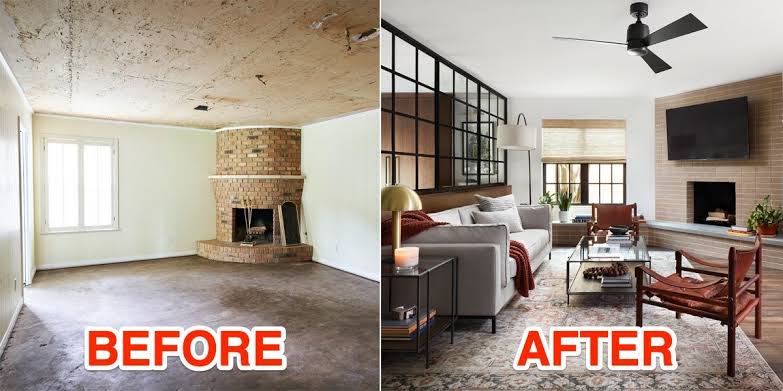
We’ve all scrolled through listings, spotted a classic Huntington Beach beach cottage or a 1970s split-level with a lower price tag, and thought: "I could totally HGTV this place."
Fixing up an older home can be your ticket to immediate equity and living blocks from the pier. But without a game plan, it can quickly turn into a financial black hole. Knowing the difference between cosmetic potential and structural chaos keeps your dream project from draining your wallet.
The Upside: Why Bother with a Fixer?
-
Location, Location, Location: Fixer-uppers are often your best route into established, highly desirable HB neighborhoods where move-in-ready inventory is out of budget.
-
Instant Forced Equity: Updating finishes means every dollar spent wisely directly boosts your home’s appraised value.
-
Tailored Style: You get to pick the quartz, the brass fixtures, and the layout instead of paying a premium for someone else’s taste.
The Downside: The Hidden Friction
-
Budget Creep: What starts as "just swapping the tile" often uncovers hidden plumbing issues that add 15% to 20% to your bill.
-
Time & Dust: Renovation timelines drag out. Living on subfloors or paying rent while paying a mortgage takes a mental toll.
Smart Investment vs. Money Pit
The dividing line almost always comes down to cosmetic surface work vs. core systems.
| Feature | Smart Investment (Cosmetic) | Money Pit (Structural & Core Systems) |
| Common Fixes | Dated cabinets, popcorn ceilings, ugly carpet, worn paint, old vanities. | Foundation settlement, termite damage, horizontal slab cracks, main sewer line failure. |
| Price Predictability | High — straightforward materials and contractor labor estimates. | Low — opening walls often reveals cascading code compliance issues. |
| Coastal HB Watchouts | Salt air corrosion on light fixtures, exterior paint fading. | Salt-air degraded wiring, rusted plumbing, sub-slab water intrusion. |
| Resale Impact | Immediate, visible boost to curb appeal and valuation. | Keeps the house functional without adding matching appraisal value. |

3 Golden Rules Before Writing an Offer
-
Calculate the 15% Buffer: Your total purchase price plus estimated renovation costs should still land at least 15% below what fully renovated homes sold for on the block.
-
Never Touch Your Emergency Fund: Keep a strict 20% cash contingency reserve strictly for "behind the wall" surprises.
-
Inspect the Invisible Stuff: Don't skip specialized inspections. A camera scope of the sewer line to the street and a thorough structural check are mandatory for older coastal homes.