


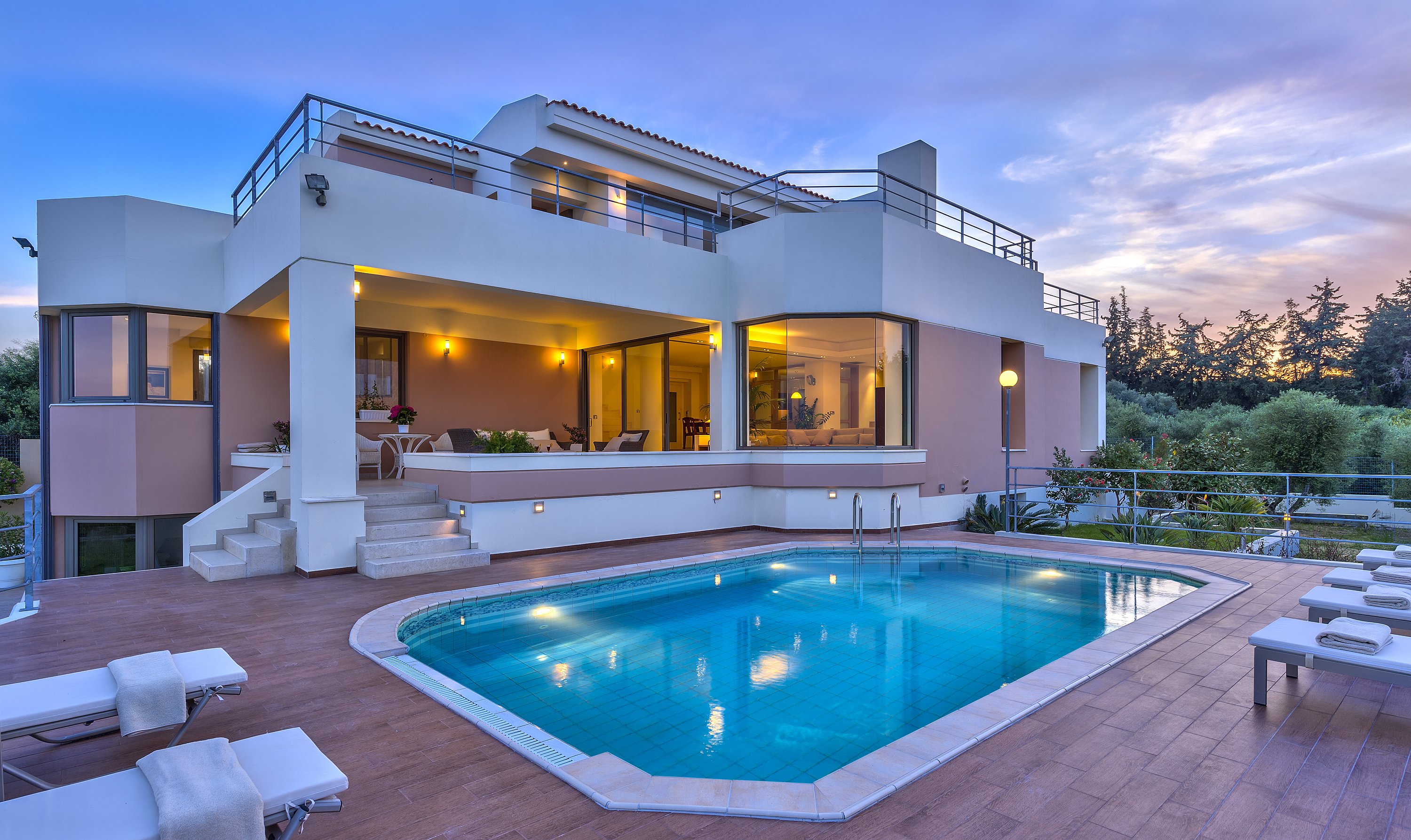
The global shift toward minimalist luxury—often dubbed "quiet luxury"—redefines prestige by prioritizing refined simplicity, intentionality, and craftsmanship over overt opulence. Driven by evolving consumer values, it replaces visual clutter with architectural discipline and high-end materials to create a serene sanctuary.
The Core Drivers
Digital Fatigue: In an era of constant digital stimulation and social media noise, uncluttered spaces provide crucial visual rest and mental clarity.
Conscious Consumption: Modern consumers tie sustainability to status. Restraint and quality over quantity communicate progressive, responsible values rather than excess.
The "If You Know, You Know" Effect: Rather than broadcasting wealth through loud logos or ornate decoration, prestige is communicated through impeccably tailored silhouettes, hidden smart technology, and flawless execution.
Defining Characteristics
Material Authenticity: Minimalist luxury relies on a deeply reduced, neutral color palette, which requires exceptional, high-quality materials to provide depth. Expect to see exposed concrete, premium metals, solid wood, and natural stone.
Sensory Architecture: Design emphasizes how a space feels rather than how it looks. This includes bringing in abundant natural light, blurring boundaries between indoors and outdoors, and prioritizing acoustic comfort.
Invisible Technology: Smart home systems are highly integrated but entirely out of sight, ensuring that clean surfaces and uncluttered lines remain the focal point.
Broader Implications
Experts observe that this "less is more" philosophy extends far beyond physical spaces and into fashion, travel, and consumer goods. Exploring platforms like [Nolita Harbour] (-minimalist- interiors-became-the-new-language-of-luxury-living/) outlines how interior design reflects this global sophistication, while analyses on Plastic Free Pursuit detail why the definition of luxury has transformed from "owning more" to "feeling better."